

_1_11zon.webp)
If you’re an active Calgarian, you know the summer routine. Early morning runs along the Bow River, weekend rounds at the golf course, and evening bike rides on the pathways. It feels great in the moment, but a few weeks into a busy summer season, your body starts to “talk back.” The stiff lower back, tight shoulders, sore feet, and that drained, foggy feeling. At Cūro Chiropractic, we see this pattern every summer, and we are here to reassure you that you are not alone, and there are practical ways to recover.
The sudden spike in activities during the summer season can overload your joints, muscles, and connective tissue that are not used to that level of demand. Your lower back, hips, knees, and feet often take the brunt of it, and the effects may linger well into the season.
When the weather turns nice, most people dramatically ramp up their activity without realizing it. You might:
Your lower back works like a shock absorber and stabilizer while running, cycling, and golfing. When it is suddenly asked to handle repeated impact, rotation, or a forward-leaning position, the supporting muscles can fatigue and tighten. Over time, this may contribute to ongoing low back discomfort.
Building strength and endurance in the muscles that support your spine appears to be an important part of long-term relief. Structured resistance training is associated with meaningful improvements in pain, disability, and quality of life in people with chronic nonspecific low back pain when carried out over at least 12 weeks in a progressive way.3 While this does not replace individual assessment, it suggests that gradually building strength alongside your summer sport of choice may help your back handle both daily life and an active season more comfortably.
At our wellness clinic in SW Calgary, we often look at foot mechanics, leg alignment, and gait when active patients come in with lingering aches. For some, custom orthotics may help redistribute pressure and support the feet more evenly, which can contribute to less strain through the knees, hips, and back over time. If we feel orthotics are appropriate, we may discuss our custom orthotics options as part of a broader plan.
What to look for:
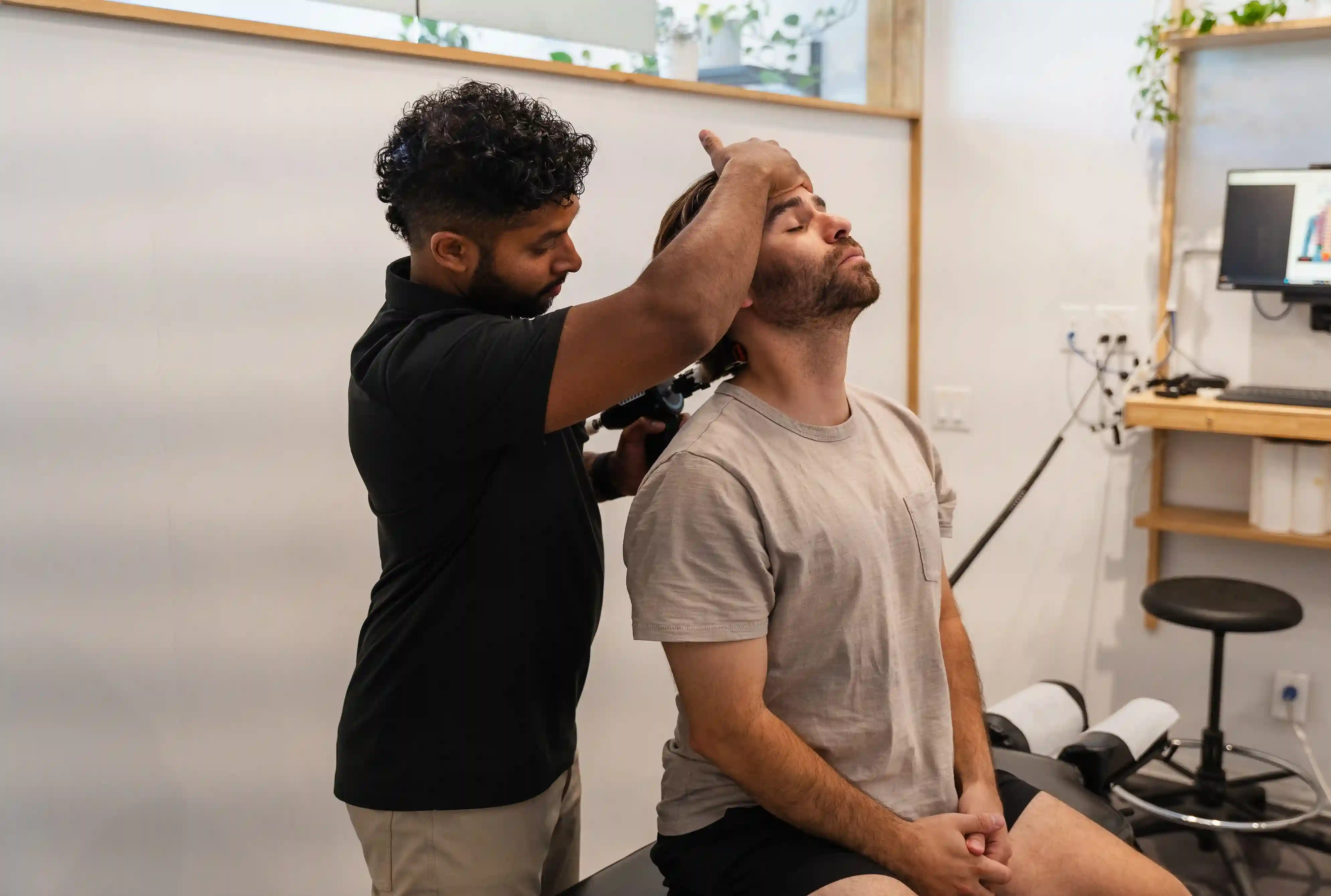
We find many people search for ways to release shoulder tension or a massage for their muscles and joints during an active summer. Therapeutic, hands-on care that targets tight soft tissues may help ease muscle tension, improve circulation, and support more comfortable movement.
Although, it’s not just your lower body that feels the effects of an active summer. A hunched cycling position, the rotational load of a golf swing, or tension from gripping handlebars can leave you with:
At our wellness clinic near Marda Loop, we offer Calgary massage therapy with registered massage therapists who focus on muscle tension relief and upper back pain relief. Sessions may include soft tissue therapy aimed at the neck, shoulders, and upper back to help you recover between rounds, rides, or runs.
Many people experience a mood dip, brain fog, or general “blah” feeling when a packed summer of activity meets less sleep and a busier schedule. Physical fatigue can overlap with existing back discomfort, making it harder to bounce back.
Approaches that blend movement and education, such as yoga with supportive information, are associated with improvements in both pain and depressive symptoms in people living with chronic low back pain, although the overall certainty of the evidence is low and the findings should be interpreted cautiously.1 This points to the potential value of gentle movement, breathing, and body awareness during an active season, especially if you already struggle with mood or back issues.
Small, steady habits may make a real difference to how your body handles an active season:
At our wellness clinic in SW Calgary, we focus on whole-body recovery, not just chasing pain. During an active summer, many of our patients come in feeling like their body is “out of alignment” or simply not moving the way it did before. Every person’s situation is different, so we start with a detailed assessment and then design a plan that fits your body, your lifestyle, and your goals. If you are new to our clinic and want to understand how we work with first-time visitors, you can explore our information for new patients.
Depending on your needs and goals, we may suggest a combination of:
For many people, mild soreness settles in within a few days and eases over one to two weeks. If pain or stiffness is still strong after that, or it is affecting your sleep, work, or daily activities, an assessment at our clinic may help you understand what is going on and what may support your recovery.
Massage therapy may help relieve muscle tension, improve circulation, and promote relaxation, which many people find helpful for shoulder, upper back, and hip tightness from repetitive sport-specific movement. Our registered massage therapist team can tailor sessions to your specific trouble spots.
When you already have ongoing low back pain, a sudden increase in running, cycling, or golf can flare it up. Programs that include progressive resistance training over at least 12 weeks are associated with reductions in pain and disability in people with chronic nonspecific low back pain.3 At our clinic, we can discuss how to safely integrate strengthening, mobility work, chiropractic care, and other supports into your plan.
It is common to notice changes in balance, flexibility, and endurance with age, especially if your regular routine is mostly sitting outside of sport. Chair-based or supported exercise is associated with improvements in muscle endurance, flexibility, and dynamic balance in postmenopausal women, suggesting that gentle, accessible movement can still build capacity later in life.2 Our team can help you choose movements that feel safe and realistic.
You may want to seek care if pain is sharp, worsening, or lasting more than a couple of weeks, if you notice numbness, tingling, or significant weakness, or if discomfort is interfering with sleep, work, or your ability to keep up with your sport of choice. An assessment can help rule out more serious issues and provide a clear plan forward.
Ready to get back to what you love? Schedule Online Today.


.png)
