

If you are training for a Marathon, you are probably logging plenty of kilometres around the city, juggling work, family, and recovery. At Cūro Chiropractic, we meet a lot of runners who only seek care after pain shows up. We believe your marathon journey feels better when you take steps to protect your body well before race day.
In this post, we share how marathon runners in Calgary can prepare their bodies, support recovery, and lower the risk of training setbacks in a simple, practical way.
Long-distance running places repetitive stress on your joints, muscles, and feet. When mileage, work stress, and daily life pile up, your body may struggle to keep up with the load. That is often when issues like shin pain, tight hips, and plantar discomfort start to appear.
Structured lower-leg exercises combined with other therapies have been shown to improve foot posture and quality of life for runners dealing with shin-related pain, even when pain levels do not change as much.¹ For us, that reinforces how valuable it can be to address alignment, strength, and movement patterns before race day—not just chase symptoms.
Your feet and lower legs are your suspension system. If they are weak or stiff, the impact of every step may travel up to your knees, hips, and low back. A smart plan for pre-race injury prevention usually includes:
Adding tailored lower-leg exercises to a broader care plan has been associated with better static and dynamic foot posture in recreational runners.¹ This type of work may help your arches move more efficiently during each stride, which can support smoother, more comfortable running.
For runners with ongoing foot or shin concerns, we may also look at custom orthotics as part of a bigger strategy to improve how your feet interact with the ground.
Many runners search for "sports injury chiropractic treatment" or "chiropractic care Calgary" when aches start interfering with training. At our clinic, we prefer to see marathoners earlier, as part of a proactive plan.
Chiropractic adjustments may help with:
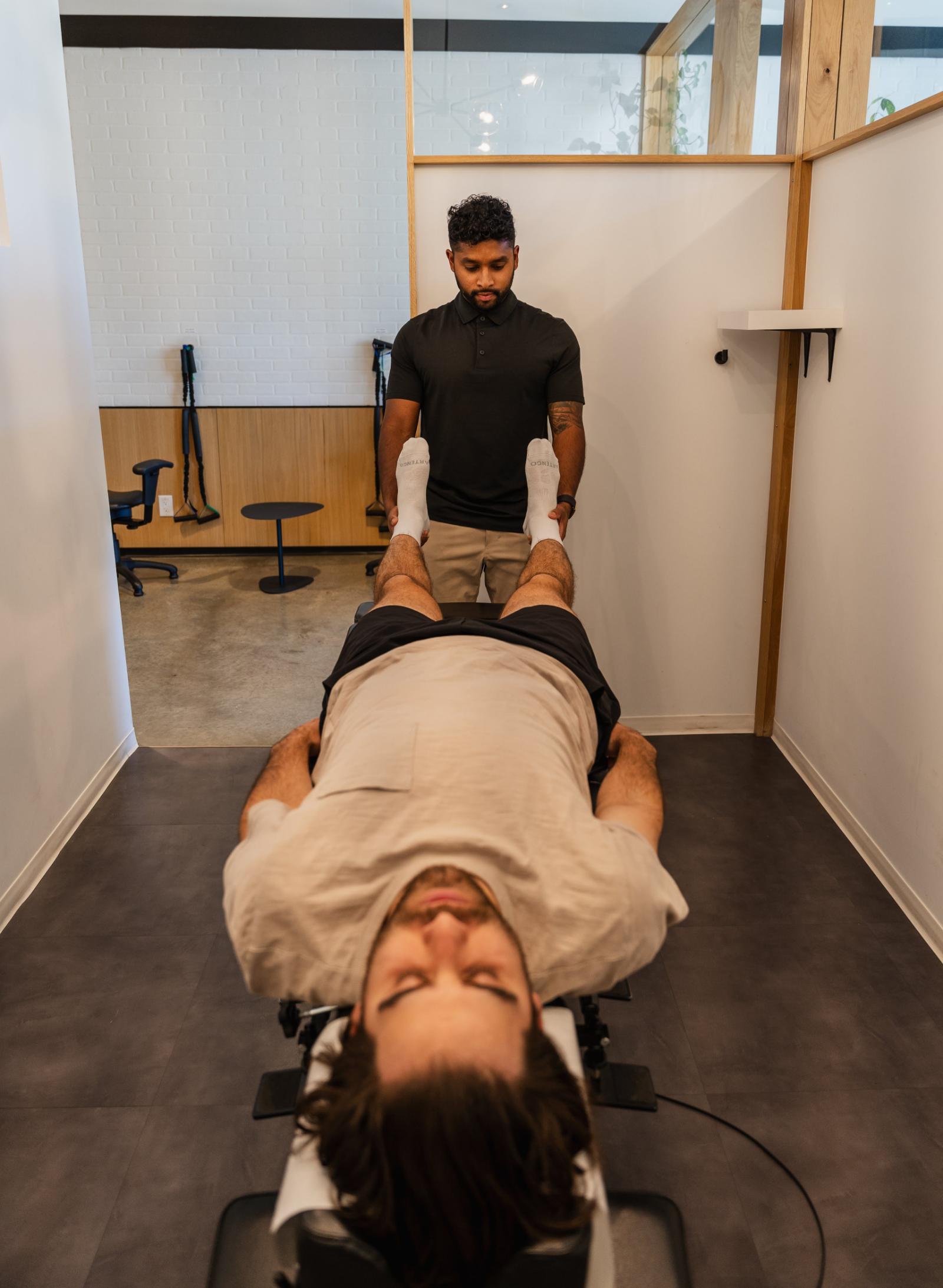
When alignment and mobility improve, your body may be better able to absorb and share the forces of running, which can contribute to smoother, more efficient movement. Our approach to chiropractic care is holistic and corrective, meaning we focus on long-term function, not just short-term symptom relief.
If you have ever searched for "massage therapy Calgary" or "muscle recovery massage Calgary," you are not alone—many local runners rely on hands-on care to get through training blocks.
Popular athletic massage therapy services for Calgary runners include:
Sports massage benefits may include easing tight muscles, supporting circulation, and helping you feel more relaxed before race day. At our clinic, our massage therapists coordinate with our chiropractors, so your care plan fits your mileage, taper, and recovery needs.
Some runners also like to layer in holistic nutrition guidance to support energy, recovery, and overall wellness during heavy training blocks.
Beyond hands-on care, a few small, consistent habits can make a big difference in how your body feels:
Our team often helps runners personalize these habits so they fit busy lifestyles in SW Calgary and downtown.
Ideally, you start building strength, mobility, and recovery habits at least a few months before race day. The earlier you start, the more time you have to gradually increase mileage while we help you address movement patterns and small nagging issues.
Yes, many of our marathon runners come in feeling generally "okay" but want to move better, maintain alignment, and stay ahead of tightness. Chiropractic care and massage therapy may help you feel looser, more symmetrical, and more confident heading into race day.
We often design plans that include lower-leg exercises, hands-on care, and footwear or orthotic discussions. Structured lower-leg programs within a broader treatment plan have been associated with better foot posture and quality of life in runners experiencing shin-related issues.¹ We build on that type of approach and adapt it to your specific goals and training schedule.
On your first visit, we take a detailed history, assess your posture, movement, and running-related concerns, and then outline a plan that may include chiropractic care, massage, exercises, and lifestyle suggestions. You can learn more about what to expect as a new patient on our New Patients page.
If you are training for a marathon and want support with runner's body preparation, pre-race injury prevention, and recovery, you can Schedule Online Today with our team at Cūro Chiropractic.


.png)
